
TLDR
Decline promptly using the RSVP method the couple requested. Thank them for inviting you, state clearly that you cannot attend, and offer a warm wish. You do not owe anyone a detailed explanation. If you already accepted, contact the couple directly as soon as your plans change rather than relying only on an updated response card or website entry.
Give a clear answer without writing an essay
The kindest decline is usually short and unambiguous. Couples need an accurate head count for seating, catering, stationery, transportation, and other arrangements. A vague “I’ll try” leaves them with another planning task.
A complete response can be as simple as: “Thank you so much for inviting me. I’m sorry I won’t be able to attend, but I’m wishing you both a wonderful wedding day.”
That message does three useful things: it acknowledges the invitation, provides a definite answer, and keeps the focus on the couple. A brief note of regret is sufficient, and any explanation can remain short. Emily Post’s RSVP guidance also recommends declining instead of delaying when an unresolved scheduling conflict could interfere with the hosts’ planning.
Respond promptly and follow the invitation
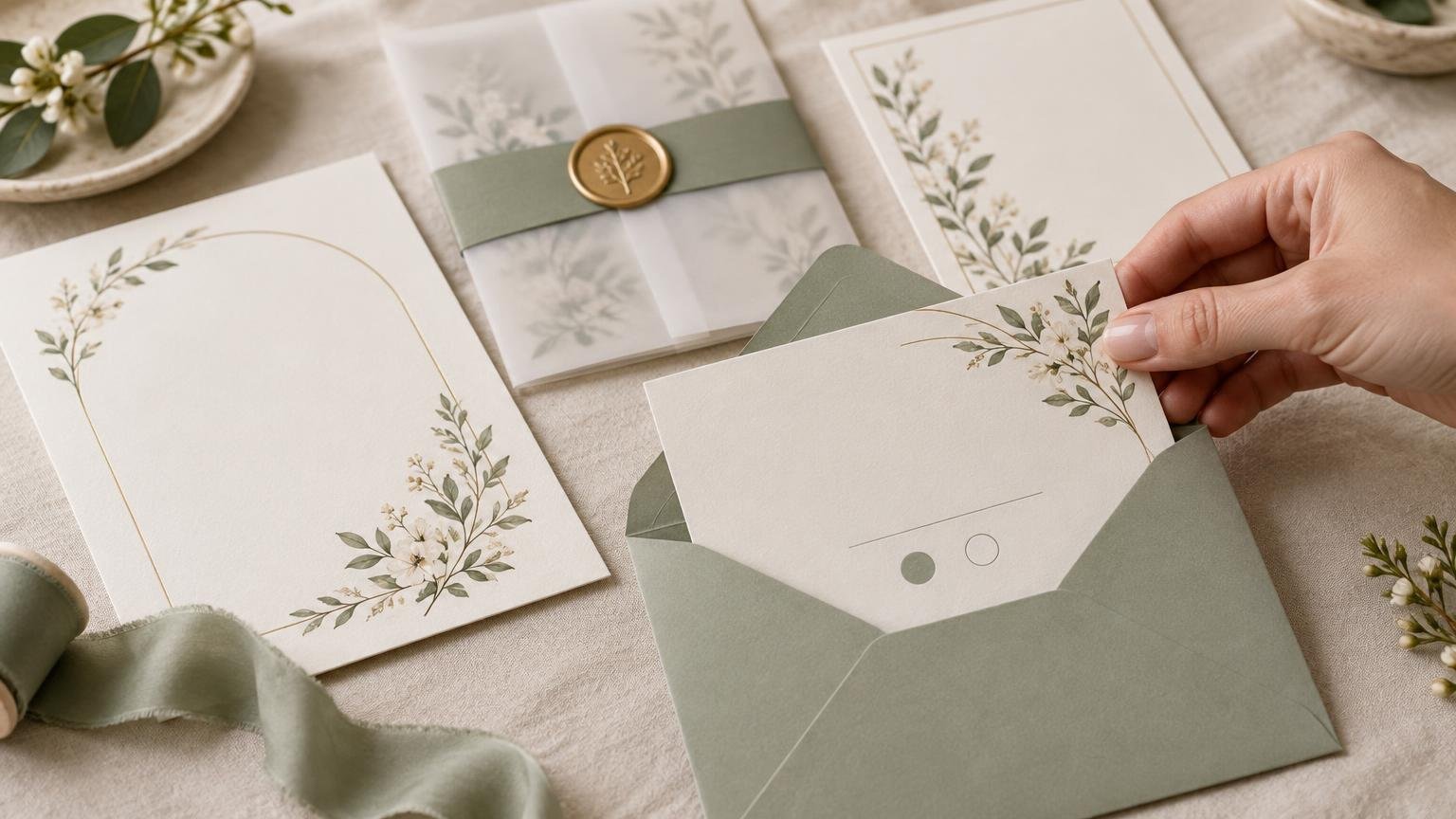
Use the response method printed on the invitation or its enclosure. Return an enclosed card when one is provided, submit the wedding website form when directed there, or follow the instructions for an emailed invitation. If the invitation says “regrets only,” respond when you cannot attend. Emily Post’s invitation etiquette guidance recommends replying within a day or two when possible and no later than the stated RSVP deadline.
A personal text or phone call can be a thoughtful addition when you are close to the couple, but it should not replace the requested RSVP process. The official response is the one most likely to reach the guest list or seating plan correctly.
| Situation | Possible wording |
|---|---|
| No explanation needed | Thank you for including me. I’m sorry I won’t be able to attend, and I hope you have a beautiful celebration. |
| Schedule conflict | I’m so grateful for the invitation. Unfortunately, I have a prior commitment and won’t be able to join you. |
| Travel or expense is difficult | Thank you so much for thinking of me. I’m unable to make the trip, but I’ll be celebrating with you from afar. |
| Close friend or relative | I’m truly sorry to miss the wedding. Thank you for inviting me, and I would love to celebrate with you another time. |
| Work prevents attendance | Thank you for the invitation. An unavoidable work commitment means I can’t attend, but I’m wishing you both a wonderful day. |
Choose the version that fits your relationship and natural voice. There is no need to invent a dramatic excuse. “I’m unable to attend” is a complete answer.
Handle sensitive reasons with tact
Cost, travel, health, family responsibilities, and personal circumstances can all affect attendance. Share only what you are comfortable sharing. “I’m not able to make the trip” is often better than describing your finances, medical history, or family conflict.
If the difficulty concerns an uninvited companion, do not add that person to your response. Guests should not assume that a plus-one, child, or houseguest is included unless the invitation indicates it. You may decline and briefly explain the constraint, leaving the couple free to decide whether they want and are able to change the invitation.
For example: “Thank you for inviting me. I understand the invitation is for me alone, but I’m unable to travel without my caregiver, so I’ll need to decline.” This communicates the practical issue without demanding an exception.
What to do if you already accepted
Contact the couple immediately if you accepted and later discover that you cannot attend. Do not wait for them to notice an empty chair, and do not assume that changing an online selection is enough when the wedding is close.
A direct call is appropriate for a close relationship or a late cancellation. Otherwise, send a clear personal message and update the formal RSVP channel if it still permits changes. Emily Post identifies circumstances such as illness or injury, a death in the family, or an unavoidable professional conflict as reasons that may justify changing an acceptance, while describing a no-show as unacceptable.
Keep the apology sincere but proportionate: “I’m very sorry, but an unavoidable situation has come up and I can no longer attend. I wanted to tell you immediately so you can adjust your plans.”
Do you need to send a wedding gift?
Your RSVP and your gift are separate decisions. Traditional etiquette favors sending a gift even when declining, but contemporary advice recognizes that as an old-school expectation rather than a fee for receiving an invitation. Kiplinger’s discussion of modern gift etiquette notes that a guest who cannot afford to attend can simply send regrets through the requested RSVP method.
Let your relationship with the couple and your budget guide you. A gift, card, or celebratory message can be thoughtful, especially for someone close to you, but spending should not be based on an attempt to reimburse the couple for a meal you will not eat. If you send something, include a short note rather than turning the gift into another apology.
A note for couples designing the RSVP process
Clear instructions make gracious declines easier. Whether you use printed wedding RSVP cards or an online response form, include a firm deadline and distinct acceptance and decline choices. Ask only for information you genuinely need, such as meal selections for attending guests.
If guests will reply digitally, place the URL or QR code where it is easy to find and make sure the form works before invitations are mailed. A well-organized wedding website invitation note can also direct guests to travel details and event updates without crowding the main invitation.
The polite decline formula
When in doubt, use four parts: appreciation, a clear decline, an optional brief reason, and a warm closing. Respond through the requested channel by the deadline, then contact the couple personally if you are close or if you must reverse an earlier acceptance. Prompt clarity is more considerate than a perfect excuse.